

September 15, 2026
ERN Executive Director Kevin Johnson Testifies in Support of Faithless Elector Cleanup Bill in Massachusetts
ERN's Kevin Johnson testified in support of a faithless elector cleanup bill in Massachusetts.
ERN's Kevin Johnson testified in support of a faithless elector cleanup bill in Massachusetts.

We trust secretaries of state to administer elections impartially, even though most are chosen through partisan contests that reward the very political pressures they are expected to resist.
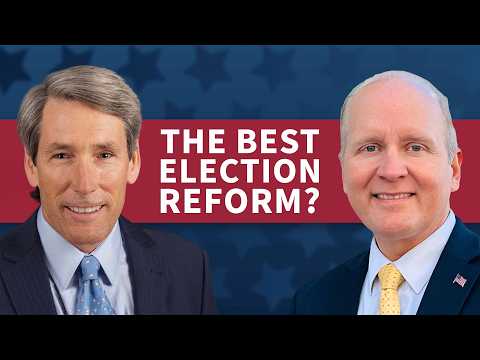
ERN Executive Director Kevin Johnson recently sat down with the Sutherland Institute, a Utah-based conservative think tank, to discuss a critical question of election governance: should county clerks be chosen in partisan elections?

The President's attacks on the EAC highlight our ongoing crisis of election governance

Insider politics shouldn't block reform to our dysfunctional primary system

The Problem Solvers Caucus has put forward four bipartisan redistricting reforms that deserve serious attention

State-level progress on election reform is possible and happening right now, and can build toward broader national action in the future.

Approximately one-third of states give substantial authority over elections to local election boards, which are almost entirely composed of political party appointees. In an era of increasing polarization and election-related disputes, the party-based structure of these boards is creating risks to fair and trusted election functioning. This brief summarizes these problems and proposes a practical solution.

Comparative case studies show how democracies built safeguards for neutral election administration

ERN Executive Director Kevin Johnson sat down with the Democracy Lab podcast to discuss why the U.S. is the only modern democracy that gives parties and politicians such extensive influence over how we run our elections.