
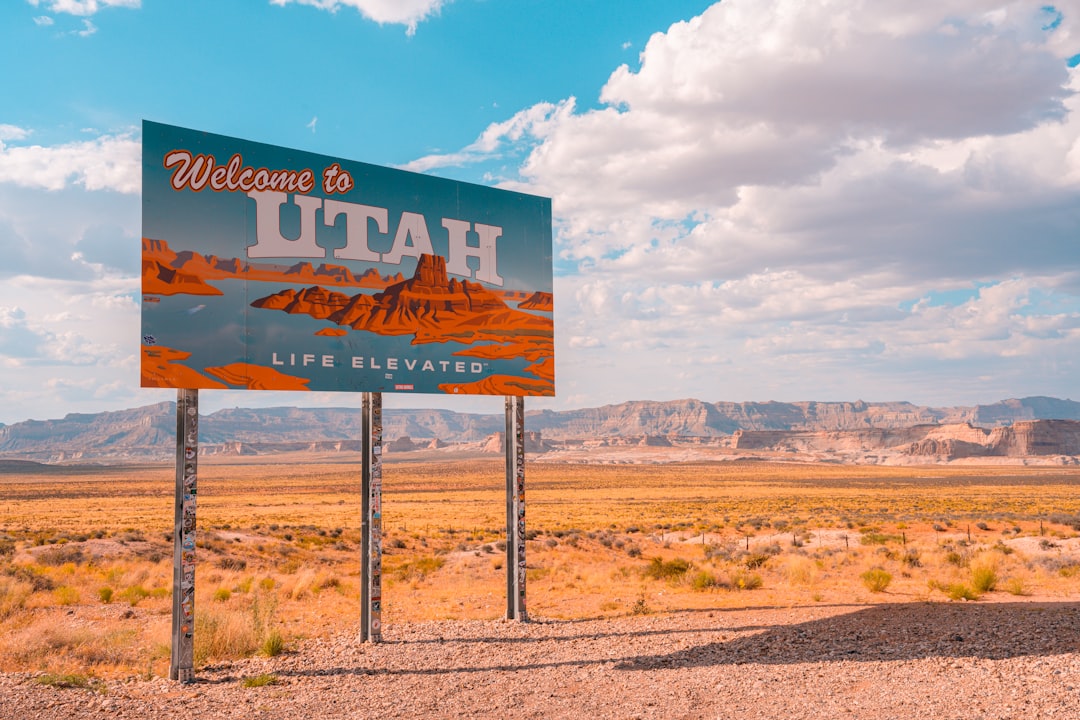
Precedent-Setting Election Ethics Law Passes Utah Legislature
Today, the Utah House of Representatives passed Senate Bill 194 to strengthen election ethics and reduce conflicts of interest for the leading election administrators in the state. Sponsored by Senator Michael McKell and Representative Jefferson Burton, the bill now goes to Governor Spencer Cox for signing.
SB 194 includes two major components: (1) reducing conflicts of interest for the lieutenant governor in the role of Utah’s chief elections officer, and (2) strengthening neutrality requirements for county clerks. Together, these reforms help ensure that those who run elections have every incentive to always act as neutral referees.
“Trust in elections depends on voters believing the people in charge aren’t trying to help one side win,” said Kevin Johnson, of Election Reformers Network, an organization specializing in election ethics that provided policy support for the bill.
SB 194 passed with overwhelming majorities in the Senate (23-2) and House (63-7) and was endorsed by a leading Utah think tank, the Sutherland Institute.
“With concerns growing in America about election threats, SB 194 offers a precedent-setting model for other states to follow,” said Johnson. “It codifies ethical standards, bolsters the neutrality of election officials, and assures voters that election decisions are not made on the basis of personal or political considerations.”
Reducing conflicts of interest for the lieutenant governor
In 33 states, voters elect their chief election official. In most states that position is held by the secretary of state; in Utah (and Alaska) it’s the lieutenant governor. Often these officials are candidates in elections they oversee, a dual role that can create concerns. SB 194 addresses this potential risk to public confidence by requiring the lieutenant governor to create a public conflict-of-interest avoidance plan.
The plan must identify decisions that could influence, or be perceived to influence, the lieutenant governor’s candidacy. It would also explain how those risks will be managed including when recusal is appropriate and who would step in.
Importantly, SB 194 does not mandate a blanket recusal or paralyze the office. Instead, it formalizes practical, transparent steps that voters can see and understand before controversies arise.
Utah’s approach offers a model for other states that elect their chief election officials: require advance planning so voters can be assured election decisions will be carried out impartially.
Strengthening neutrality requirements for county clerks
SB 194 reinforces high ethical standards for county clerks. The bill prohibits clerks from “alter[ing] election procedures or processes to favor, or discriminate against,” candidates or ballot measures.
The bill also addresses an especially sensitive scenario: when an incumbent county clerk reviews the candidacy application signatures for a potential opponent. In that situation, SB 194 requires the incumbent clerk to contract with another county clerk to verify candidate signatures, removing the conflict of interest.
Looking ahead
In future sessions, policymakers could build on these achievements in several ways. Utah could follow the example of states that elect all county clerks in nonpartisan elections or allow individual counties to switch to nonpartisan elections. Future sessions could also address the high barriers to candidacy for county clerk. Voters benefit when any capable, civic-minded residents can run to oversee elections, not only those with strong fundraising networks or insider party status.
Photo credit: Arturo Rivera on Unsplash