Press Release: As American Democracy Faces Continued Challenges, New ERN Report Looks for Lessons from Abroad
Comparative case studies show how democracies built safeguards for neutral election administration

Comparative case studies show how democracies built safeguards for neutral election administration

ERN Executive Director Kevin Johnson sat down with the Democracy Lab podcast to discuss why the U.S. is the only modern democracy that gives parties and politicians such extensive influence over how we run our elections.

Local election officials (LEOs) are the frontline administrators of American democracy. Increasing challenges to public confidence in elections emphasize the importance of structural reforms to support the officials charged with impartially running our elections.

Michigan Secretary of State Jocelyn Benson has published a precedent-setting firewall policy establishing clear steps to reduce potential conflicts of interest while she campaigns for governor

Local election officials across the U.S. face political and ethical pressures that are damaging to their profession, underreported, and often structurally enabled. Concrete, structural solutions can mitigate risks and strengthen the profession.

This resource assesses how America's LEOs are selected and how they operate alongside other relevant entities, such as election boards.

Oversight and accountability of election administration are handled by different entities in different states, but with one important unifying characteristic: parties play a central role.

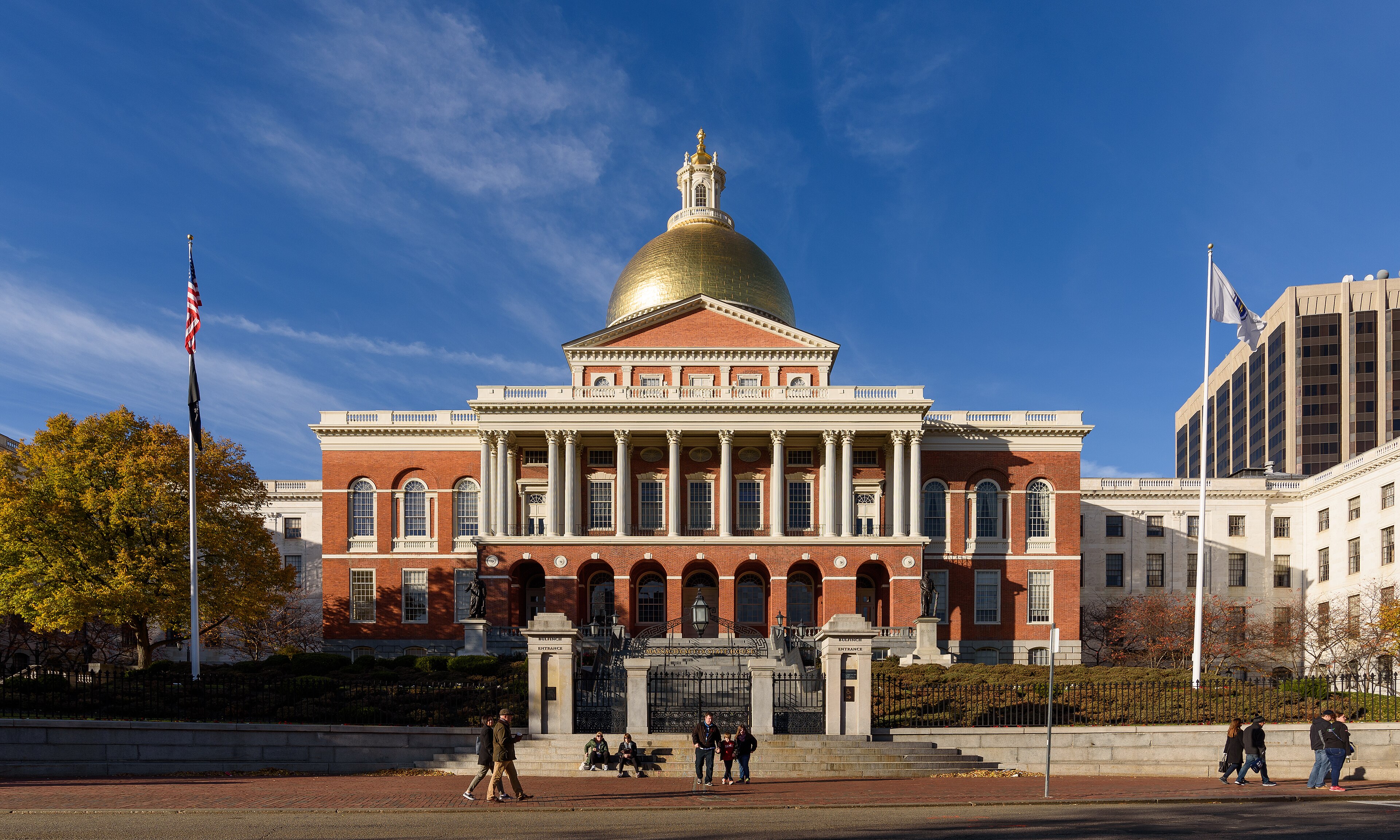
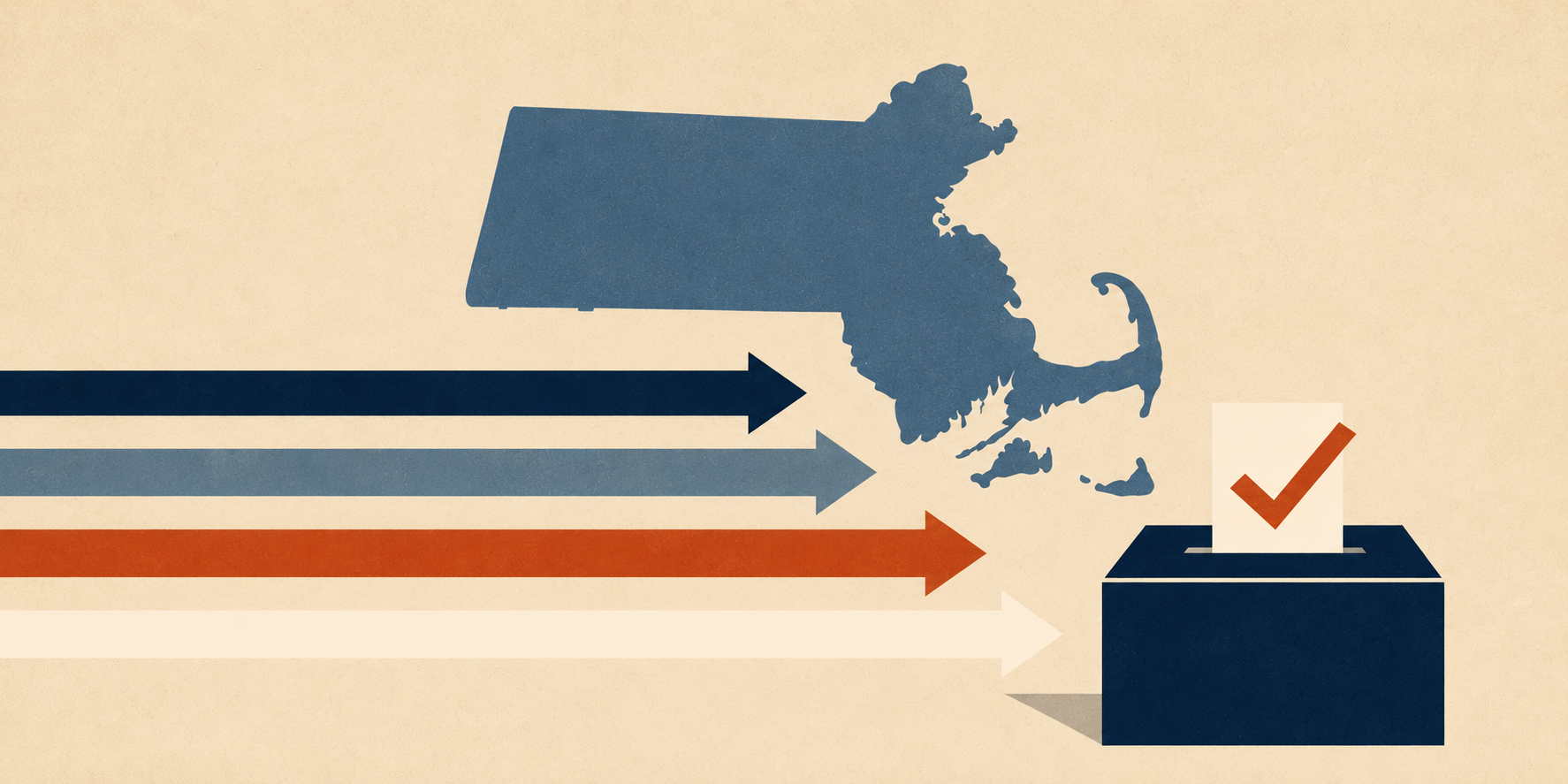
ERN Executive Director Kevin Johnson spoke in favor of an effort to adopt all-party primaries in Massachusetts.
.png)
Join ERN for a discussion about important progress being made to fortify elections against threats.

Election Reformers Network is working alongside a broad, cross-partisan coalition of reform organizations to set clear rules governing presidential electors.